This essay was written as a student project for HIST 7250: Practicum on the Place-Based Museum.
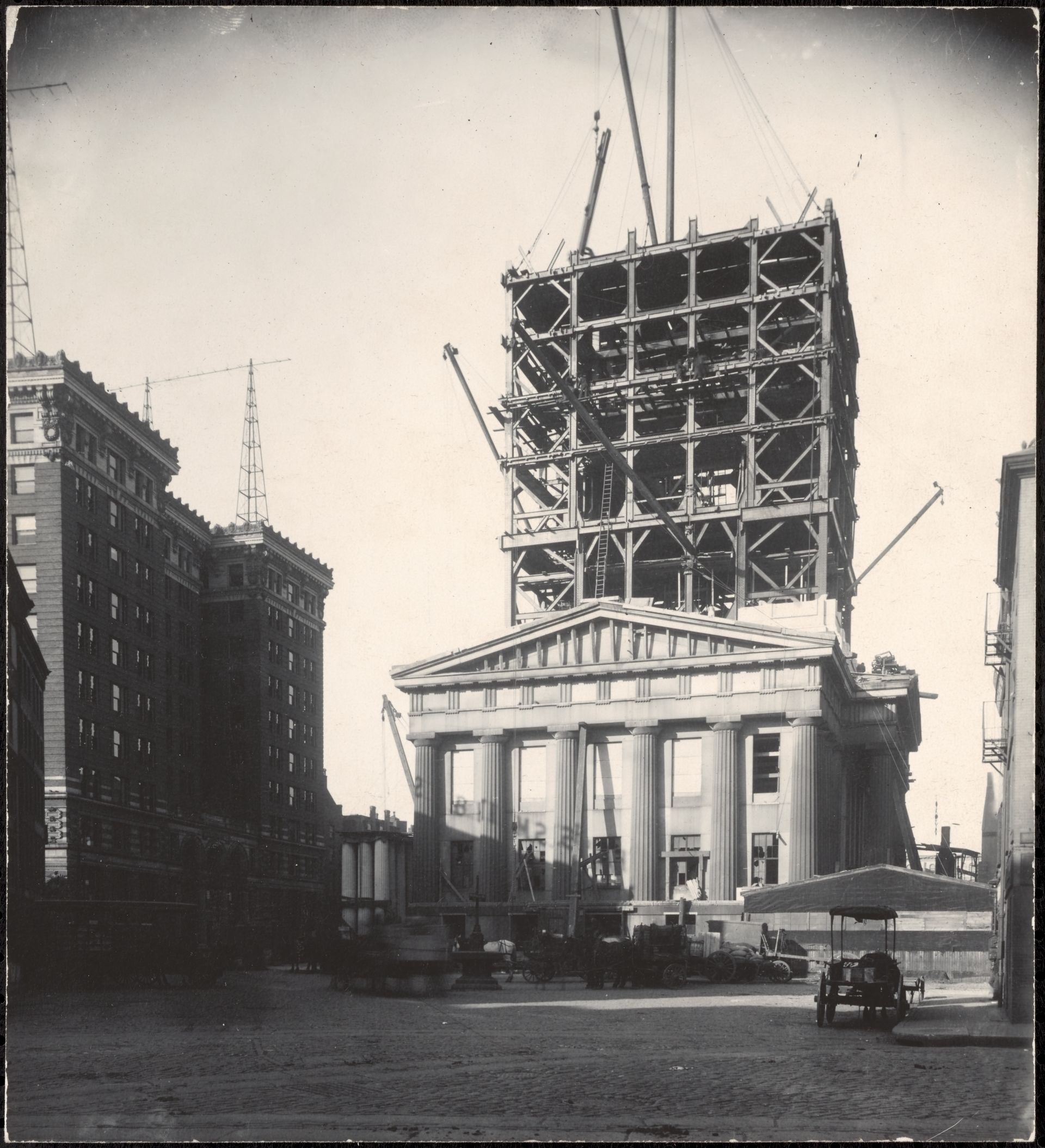
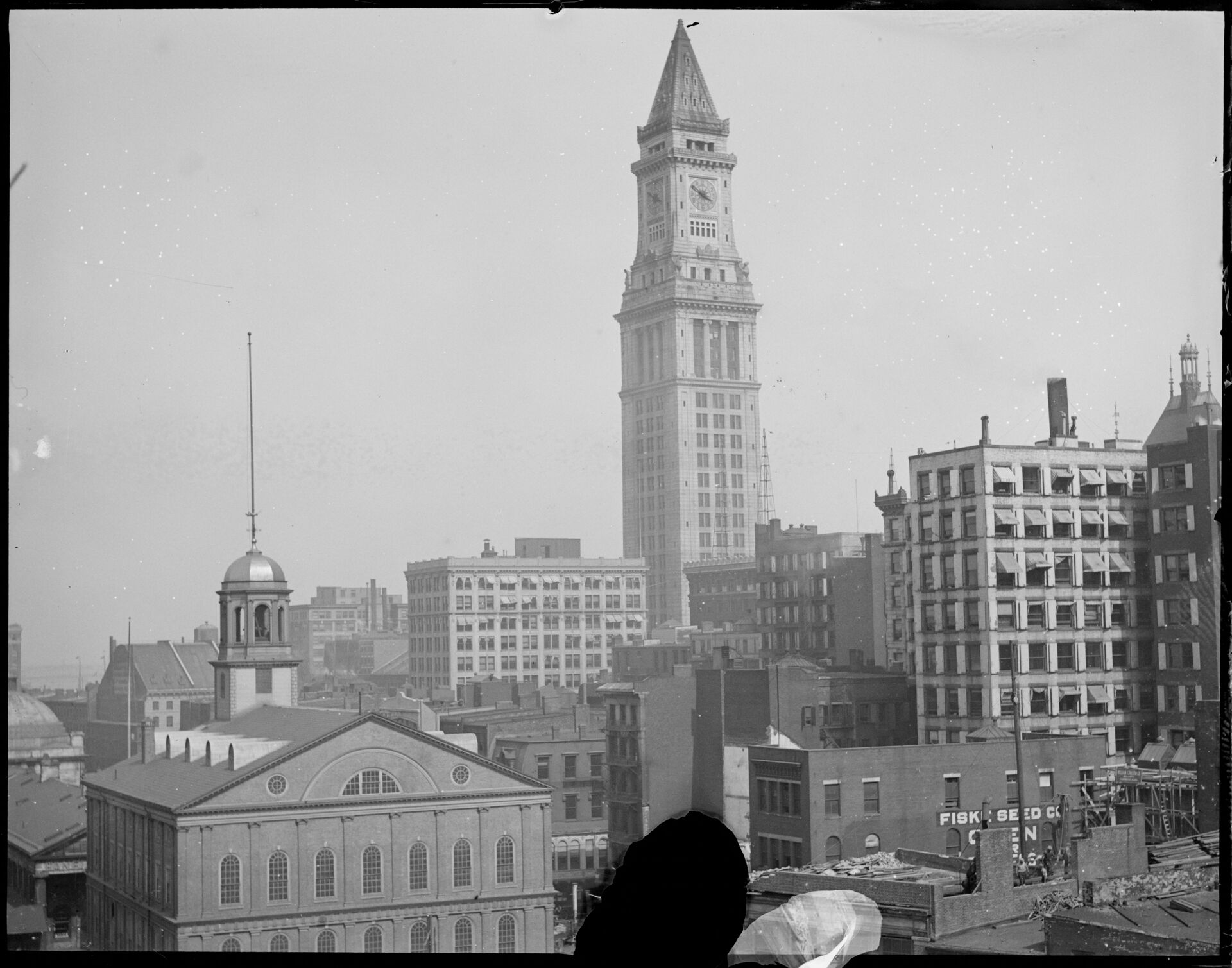
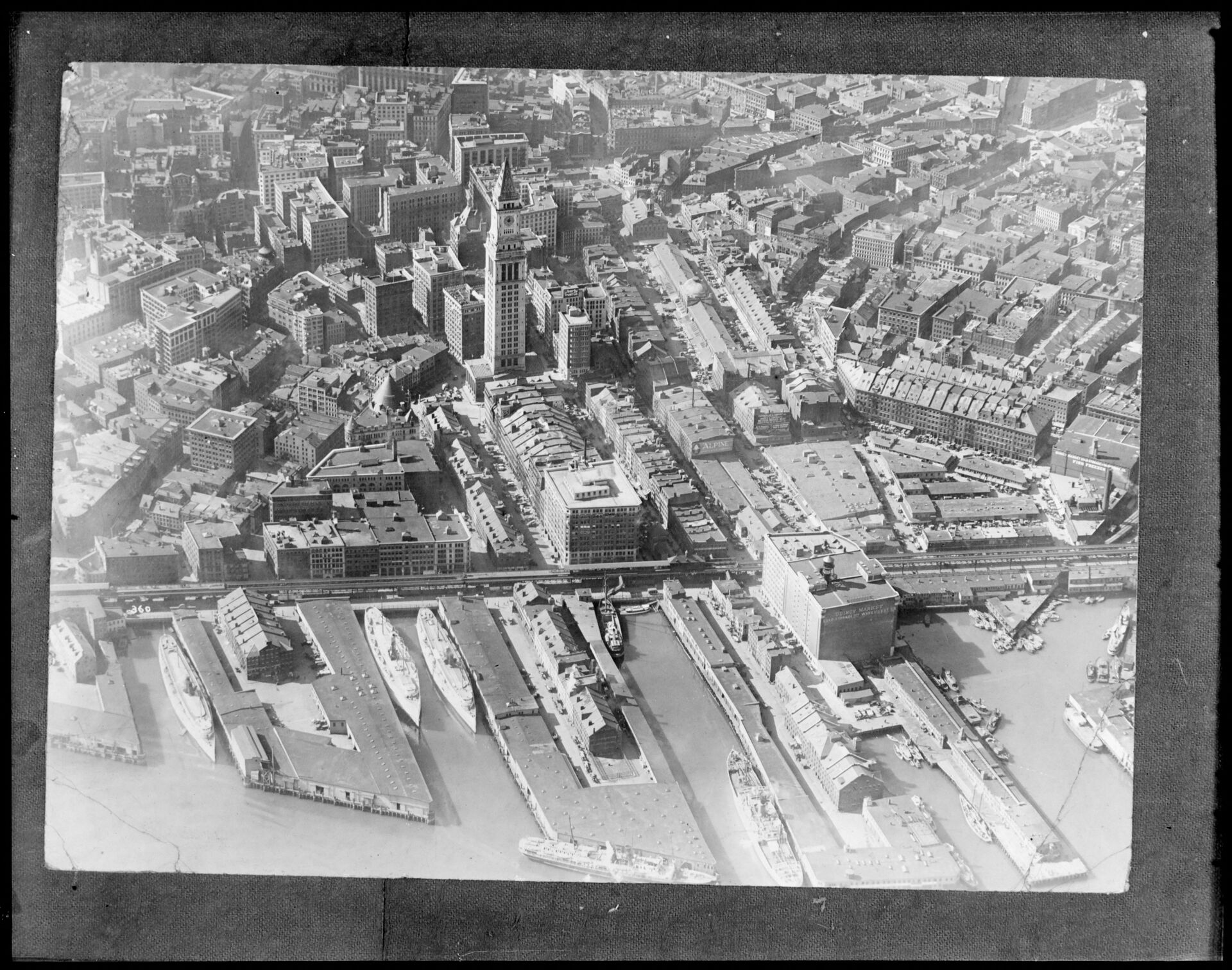
In the early 1800s, Boston had transformed into a major international trading port, and Boston’s Custom House played an essential role in collecting import duties on goods like tea, silk, and, controversially, opium from China. Many United States merchants worked alongside their international counterparts, particularly in India and China, to exchange goods both legally and illegally. Products such as opium expedited Boston’s economic growth and funded many of the city’s most well-known institutions.
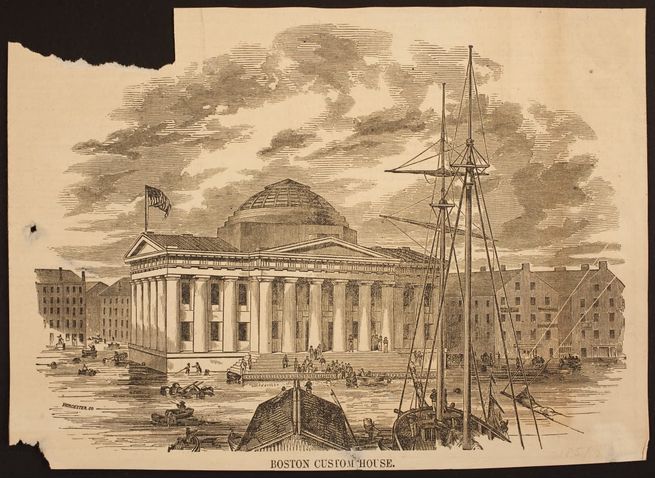
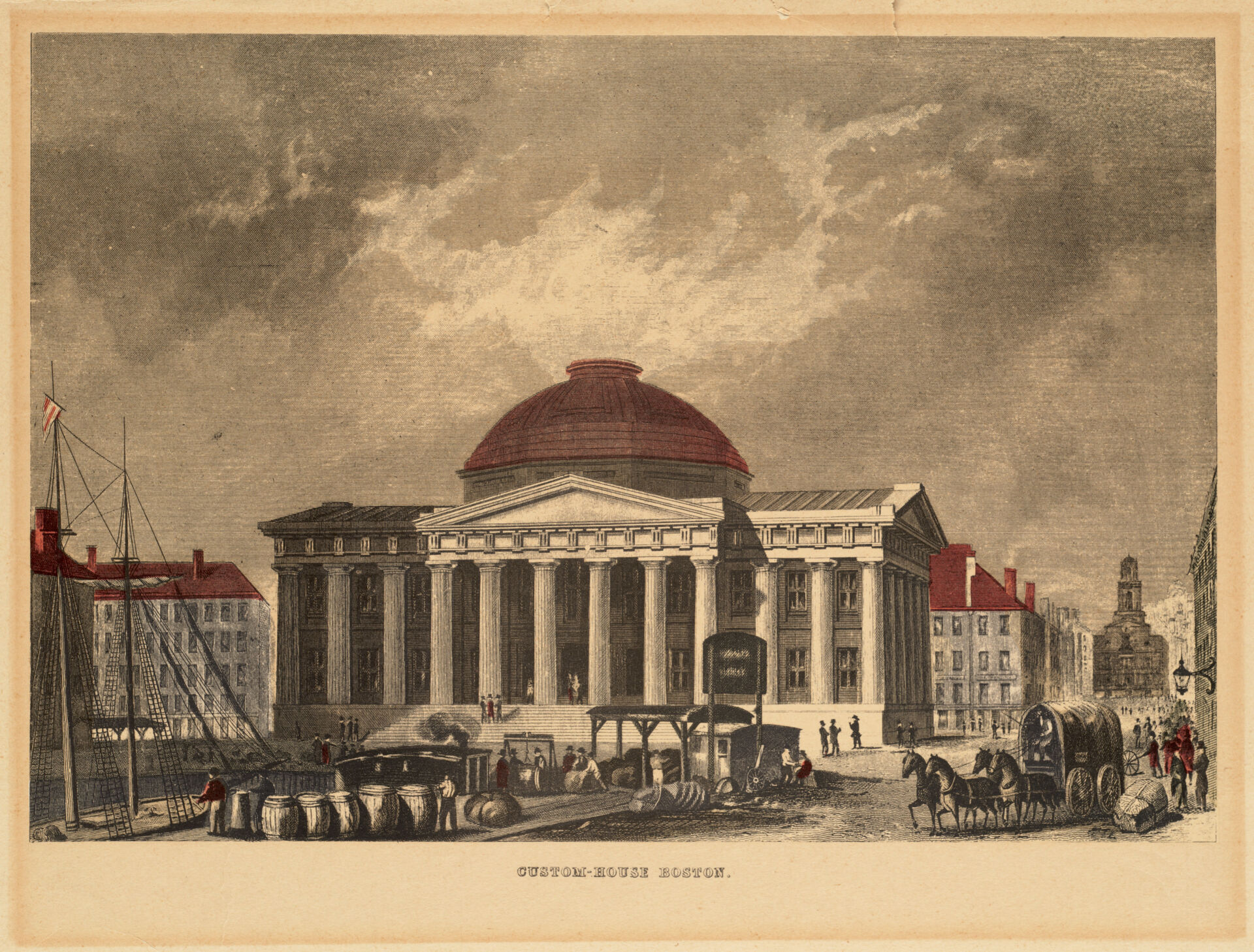
Engraving of the Boston Custom House 1851. Image courtesy of Historic New England.
The Embargo of 1807
The embargo of 1807 devastated direct trade between India and the United States. Signed by President Thomas Jefferson on December 22, 1807, the law halted all foreign trade to and from American ports to coerce Britain and France into respecting U.S. neutrality during the Napoleonic Wars. Soon after the embargo was lifted in 1809, the first American missionaries arrived in Bombay, and the American and Parsi involvement in the China trade grew.
According to historian Jenny Rose in Between Boston and Bombay: Cultural and Commercial Encounters of Yankees and Parsis, 1771–1865, in September 1807, “the friends of 19 sailors who had been impressed into the British service but claimed to be citizens of the United States, were asked to send ‘proof of their citizenship together with a description’ of each seaman to the Secretary of State, in order to obtain their discharge.” Such proof was available through American Custom Houses or the U.S. Consul in London, although the U.S. had little control over the fates of their impressed citizens, as the British Admiralty was selective in its acceptance of affidavits. Thus, in addition to collecting import duties on goods, the Boston Custom House occasionally bore witness to the impressment of sailors, although they did not have the jurisdiction or power to interfere on their behalf.
After the end of the Napoleonic and Anglo-American Wars, more stable sea-trade conditions emerged, which increasingly connected Americans with Asian merchants. Jenny Rose notes that bills of sale and disbursements and ship’s logs tell of interaction between Massachusetts mariners and their Parsi interpreters, brokers, and domestic staff in Bombay. Americans and Parsis were active in the burgeoning commerce between Bombay and China, establishing trading houses in Canton, China.
Boston and the Opium Trade
In the late 1820s, Perkins and Co., a trading firm led by Thomas Handasyd Perkins and John Perkins Cushing, had built an elaborate smuggling operation to protect and control the flow of opium into American ports. According to WBUR, in the early 1800s, the British controlled 90 percent of the Chinese opium trade. However, of the 10 percent of business handled by Americans, Perkins had the largest share. In one 1826 shipment alone, Thomas Perkins famously arranged for more than 150,000 pounds of Turkish opium to be sent to Boston.
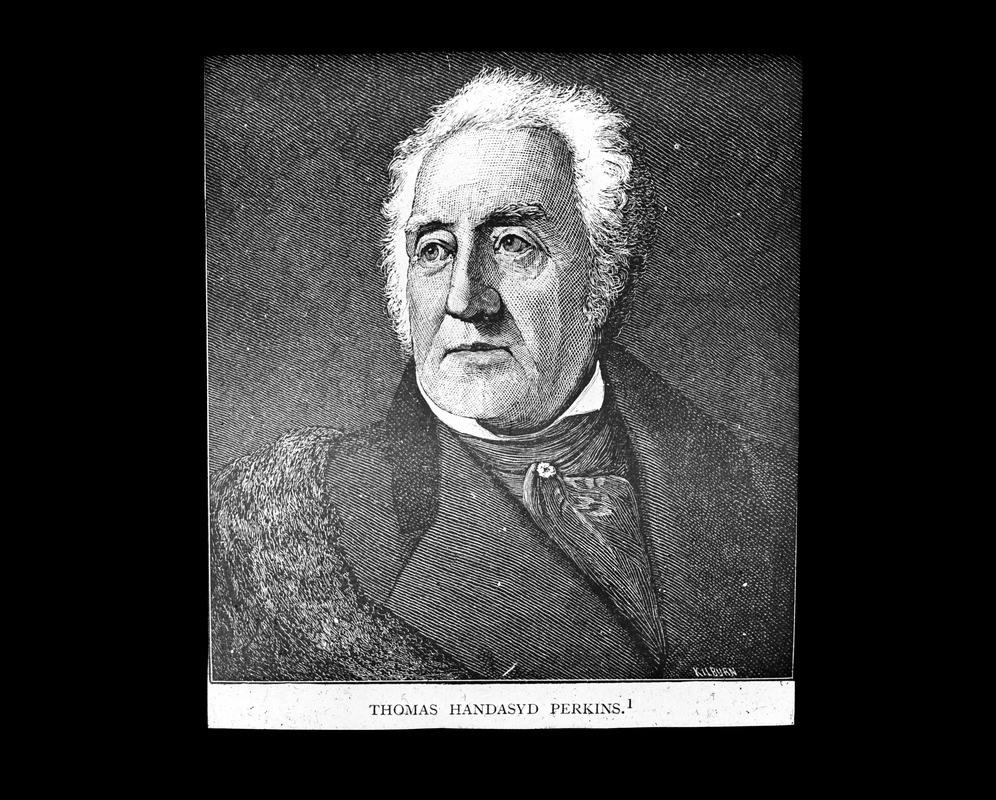
Thomas Handasyd Perkins. Image courtesy of the Digital Commonwealth’s Digital Collections.
Perkins and Co. was among the first, if not the first, American companies to establish a permanent trading office in Canton. At the time, opium was legal in the United States but illegal in China. Although the drug was legal, merchants like Perkins smuggled goods in order to to bypass high taxes and avoid import and export restrictions. The early 1800s were known as the “golden age” of smuggling due to the outbreak of the Napoleonic Wars, during which time taxes became higher and governments often inspected their goods less closely.
Perkins and Co. agents, like many other merchant firms, smuggled their goods into and out of the United States by storing chests filled with balls of opium in ships anchored offshore and by sneaking up the coast to deliver opium beyond the official port. Multiple merchants were made millionaires by this illicit trade.
However, opium was also traded legally, especially given that the drug was frequently used as a medicine for ailments ranging from coughs to diarrhea. Boston’s Custom’s House, therefore, saw the importation of hundreds of chests of opium. WBUR and historian John Rogers Haddad note that opium profits funded many leading Boston institutions such as Massachusetts General Hospital, McLean Hospital and the Boston Athenæum. The names of other opium barons are engraved on university buildings, high schools and public libraries.

Women in an Opium Den, New York, 1888. Image courtesy of the Digital Commonwealth’s Digital Collections.
Looking Back
The United States’s legal and illegal trading patterns funded and created the country that we know today. Through Boston’s Custom House came thousands of crates filled with tobacco, cotton, sugar, tea, molasses, spices, coffee, textiles, porcelain, furs, lumber, fish, opium, and wine. Tax revenue from the opium trade funded Massachusetts police and fire departments, roads, bridges, courthouses and schools. Opium barons such as Perkins were complicit in worsening the opium epidemic in China by supplying the drug through illegal channels, as well as introducing the drug to the American population.
Even today, smuggling continues in various forms all around the world. Legal goods such as alcohol and tobacco are still smuggled across country borders, along with illegal items such as drugs or weapons. By examining the United States’s trading patterns and the Boston Custom House’s involvement (or lack thereof) in trade and maritime impressment, we can better understand Boston’s complicated history of commerce.

 Towards Beacon Hill